
Gold Slips, Silver Rebounds, UK Mess 'No Outlier' for Government Debt
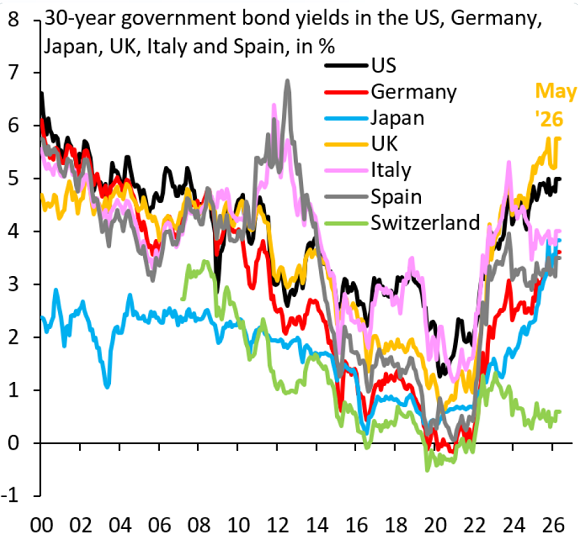
The PRICE of GOLD struggled on Tuesday, back below $4700 per troy ounce while silver held onto half of yesterday's sudden price jump as Middle East peace prospects worsened, crude oil rose, the US reported its worst inflation in 3 years, and the UK government's borrowing costs hit the highest bond yields since 2008 amid political chaos in the ruling Labour Party.
Silver prices sank as low as $83.12 per troy ounce, down almost 4.7% from yesterday's sudden 8-week spot market high.
But silver bullion still set a new 2-month high at London's midday auction before rebounding to what was a fresh all-time record in mid-January at $85.
The price of gold meantime lost almost $100 per ounce from Monday's sudden 3-week high of $4773 before rallying to $4690, down 1.3% for the week so far.
"The UK isn't an outlier," says Brookings Institution think-tank economist Robin Brooks as senior Labour politicians quit Cabinet and urged Keir Starmer to quit as Prime Minister following last week's local elections drubbing by the separatist Scottish National Party and Plaid Cymru in Wales, and by anti-immigrant Reform plus the Green Party of "social and environmental justice".
"The implosion of the political center is happening across Europe," Brooks warns. "The fact that fiscal space [to raise spending without raising taxes] is exhausted is also true for many countries.
"What the UK gets right is to let yields rise freely" rather than capping borrowing costs through central bank QE bond buying. "Only that will bring needed change."
But rather than forcing government to change course, "The markets will have to fall in line," says one UK Labour politician, urging "progressive policies" while refusing to give up her own constituency seat so that her preferred replacement − Andy Burnham − can quit as Mayor of Manchester and return to Parliament.
UK left-wing Green Party leader Zac Polanski − advocate of a 1% wealth tax on personal assets above £10m − meantime admitted "an unintentional mistake" in not paying council tax while living on a house-boat for 3 years.
Gold priced in Euro terms today showed a 0.8% drop from Friday, reversing yesterday's €50 spike above €4500, while the UK gold price in Pounds per ounce was virtually unchanged for the week to date at £3465 as Sterling fell to 2-week Dollar lows on the currency market.
Back in the USA, April's headline Consumer Price Index showed 3.8% inflation from 12 months before, the sharpest rise since May 2023, as energy costs accounted "for over forty percent of the monthly all items increase" on the Bureau of Labor Statistics first estimate.
While the cost of living has risen by 25% over the past 5 years, the economy has grown by 40% in nominal GDP, but the cost of servicing Washington's national debt has more than doubled.
US Treasury bond yields today rose to test 10-month highs above 4.45% per annum on 10-year debt following the CPI inflation data, while comparable UK Gilt yields leapt to fresh 2008 highs above 5.10% amid the Labour Government's in-fighting.
Germany's 10-year borrowing costs also jumped again, hitting the highest since May 2011 above 3.10% per annum.
Silver in Euro terms today reversed half last night's retreat, trading above €72.60 per troy ounce while silver for UK investors traded just over £1 below yesterday's 2-month peak above £64.
"The latest move has, for now at least, changed the short-term technical outlook" following silver's price crash since January's record highs, says analyst Ole Hansen at spread-betting platform Saxo, "with [Monday's] break above the $82-83 resistance area triggering renewed buying from hedge funds and other momentum-focused investors that had remained largely sidelined in recent weeks."









 Email us